
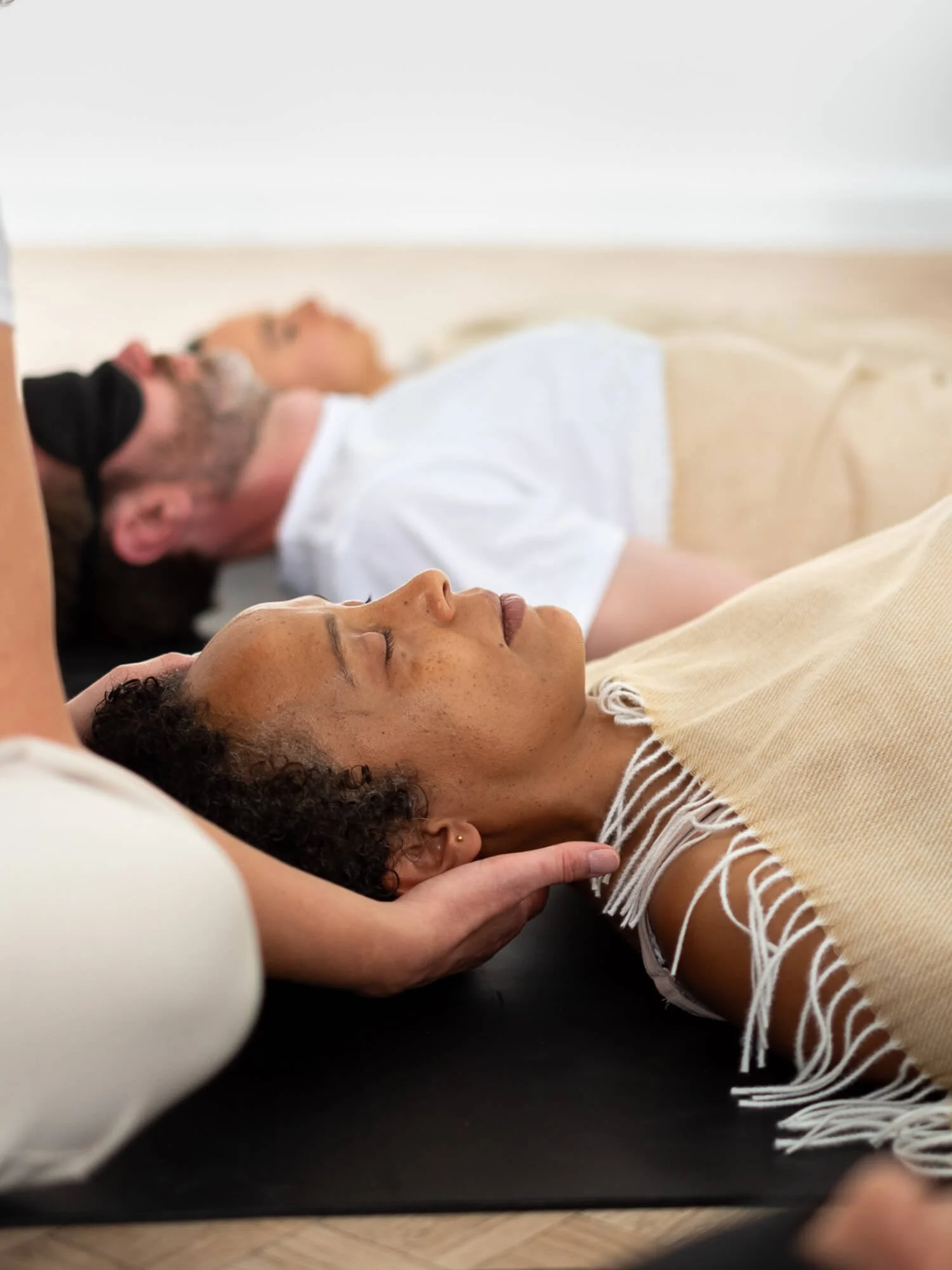
What is Breathwork?
Breathwork is a term used to describe a range of practices that use conscious, intentional breathing to support our physical, mental and emotional wellbeing.
Although breathing happens automatically, we can also choose to change the way we breathe. By bringing awareness to our breath and working with different breathing patterns, we can influence how we feel, both physically and emotionally.
Our breathing is closely connected to our nervous system, which plays an important role in how we respond to stress, feel safe and experience the world around us. When we're under pressure, anxious or overwhelmed, our breathing often becomes faster, shallower or more restricted. By working consciously with the breath, we can begin to influence these patterns and support the body to settle.
Different types of breathwork work in different ways. Some use gentle breathing techniques to encourage relaxation and help regulate the nervous system, while others use a more active breathing pattern to explore emotions, physical sensations and patterns held in the body.
Breathwork can be a way of slowing down, reconnecting with yourself and developing a greater awareness of what's happening within you. It can also offer a way to work with experiences and feelings that can sometimes be difficult to access through talking alone.
How does breathwork work?
The breath is closely linked to our autonomic nervous system, which regulates many of the body's automatic processes, including heart rate, digestion and our responses to stress.
When we feel stressed or threatened, the body can move into a more activated state, preparing us to respond. Our breathing may become quicker and more shallow, and we might notice tension in the body, a racing mind or difficulty relaxing.
Breathing practices can help influence this response. Slowing and softening the breath, for example, can support the body to move towards a calmer state. Other breathing techniques can create a different experience, bringing greater awareness to physical sensations and emotions.
With practice, breathwork can help us become more familiar with our own responses, recognise when we're holding tension or becoming overwhelmed, and develop ways to support ourselves.
Different types of breathwork
There are many different approaches to breathwork. Some focus on relaxation and nervous system regulation, while others explore the relationship between breathing, the body and our emotions.
The approach used will depend on what you're looking for and what feels appropriate for you.
Conscious Connected Breathwork
Conscious Connected Breathwork is a more active form of breathwork that uses a continuous breathing pattern, with no pause between the inhale and exhale.
By breathing in this connected way, we can begin to bring awareness to physical sensations, emotions and patterns that may not always be easy to access through everyday awareness.
During a session, you might notice changes in physical sensations, emotions, memories or the way you experience your body. Sometimes this can involve feelings that have been pushed aside or held for a long time. The breath provides an opportunity to notice these experiences and allow them to shift, without needing to analyse or make sense of everything that comes up.
This approach can support emotional processing, a greater connection with the body and a deeper understanding of ourselves.
Rebirthing Breathwork
Rebirthing Breathwork is a form of Conscious Connected Breathwork developed by Leonard Orr in the 1970s. It uses a relaxed, connected breathing pattern, without pauses between the inhale and exhale, to explore the relationship between breathing, emotions and the body.
The practice is based on the understanding that our breathing patterns can be influenced by past experiences, and that becoming more aware of these patterns can help us work with emotional responses and limiting beliefs.
A session provides space to notice physical sensations, emotions and memories as they arise, without needing to analyse or make sense of everything intellectually.
Freedom Rebirthing Breathwork is the particular approach I have trained in and draw on in my work.
“Through the breath, we can enter places inside ourselves where words cannot reach.”
Breath-Body-Mind
Breath-Body-Mind™ is an approach that brings together gentle breathing exercises, movement, sound and meditation to support the connection between the breath, body and mind.
It uses a range of accessible techniques to help settle the nervous system, reduce stress and develop greater awareness of the body.
Unlike Conscious Connected Breathwork, Breath-Body-Mind doesn't actively seek to bring up deeper emotional material. Instead, the emphasis is on working gently with the breath and body, noticing what is happening in the present moment and supporting the body to settle at a manageable pace.
The practices can help develop greater awareness of breathing patterns, release physical tension and support emotional balance. They can also be useful tools to take into everyday life, helping you find ways to support yourself when you feel stressed or overwhelmed.
Restorative Breathwork
Restorative breathwork uses gentle breathing techniques to encourage relaxation and help the body move towards a more settled state.
The focus is on softening the breath, releasing unnecessary effort and allowing the body to rest. Rather than using an active or intense breathing pattern, these sessions offer space to slow down and experience a sense of ease.
This approach can be particularly helpful if you're feeling stressed, mentally busy or physically tense, or simply need some time to pause and recharge.
What can breathwork help with?
People come to breathwork for different reasons, and their experiences can vary depending on the approach, the individual and what they're working with.
Some of the ways breathwork can support you include:
Stress and overwhelm: Learning to work with your breath can help you recognise stress responses and support your body to settle.
Nervous system regulation: Developing a greater awareness of your breathing and physical responses can help you find ways to move out of heightened states of stress.
Emotional processing: Some forms of breathwork can help you connect with feelings and experiences that may be difficult to access or express in words.
Reconnecting with your body: Breathwork can help you become more aware of physical sensations, tension and the ways you respond to different experiences.
Greater self-awareness: Taking time to notice your breath and body can help you understand your patterns, needs and emotional responses.
Relaxation and rest: Gentle breathing practices can help quieten a busy mind, release tension and create space to slow down.
Breathwork isn't about achieving a particular experience or trying to force something to happen. It's about creating the space to notice what's happening within you in the moment.
What happens in a breathwork session?
The experience will depend on the type of breathwork you're doing.
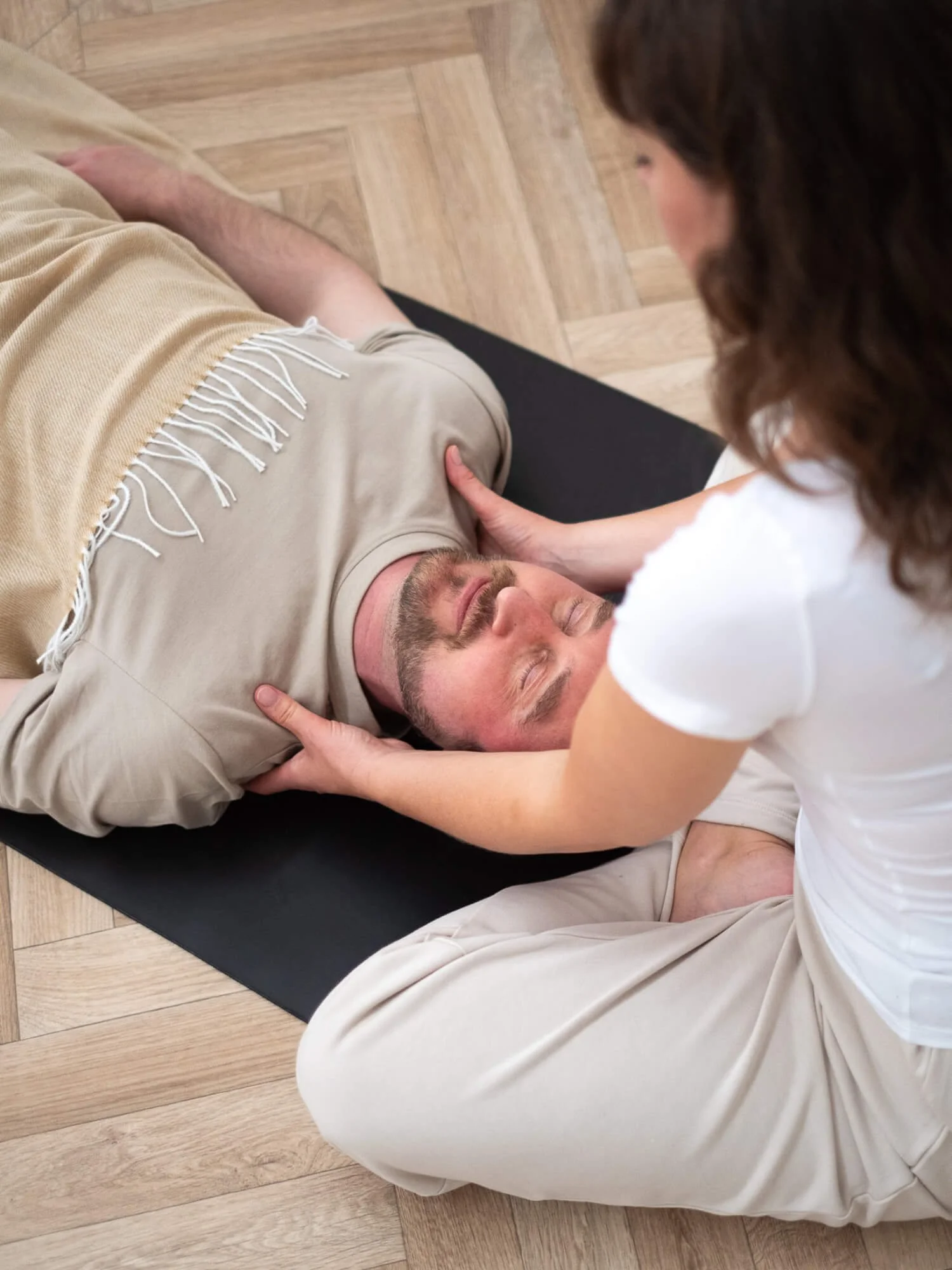
Some sessions involve being guided through different gentle breathing exercises. Others involve lying down and following a continuous breathing pattern, with the facilitator supporting you throughout.
In my sessions, I work in a trauma-informed way, paying attention to how you're feeling and working at a pace that feels appropriate for you. You're always encouraged to listen to your body, and there's no expectation to push beyond what feels comfortable.
Is breathwork right for me?
Breathwork can be helpful for people who want to manage stress, feel more connected to themselves or explore their emotional wellbeing in a different way.
It can also be particularly valuable if you've spent a lot of time understanding your experiences intellectually, perhaps through talking therapy, but feel that you would like to develop a greater connection with your body and emotions.
Different approaches suit different people and different circumstances. If you're unsure where to start, we can talk about what you're looking for and which type of breathwork might be most appropriate.
If you'd like to find out more about working together, you're welcome to book a free discovery call.